Seeds of Change
"The best of people are those who benefit others." – Prophet Muhammad (peace be upon him)
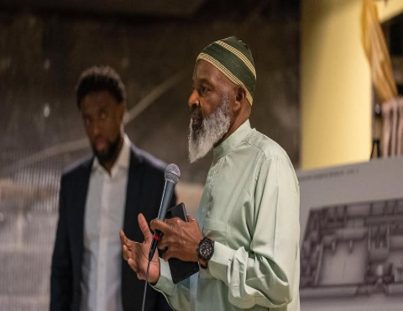
The phone rang at 6 AM, but Moses Hammett was already awake, preparing for morning prayers. On the other end was Marcus, a young man who had attended the Islamic studies class just two weeks ago.
"Brother Moses," Marcus's voice trembled with emotion, "I've been thinking about everything we discussed. I'm ready. I want to take my Shahada today."
Moses closed his eyes and smiled, feeling that familiar warmth spread through his chest. At seventy-three, he had witnessed this moment countless times, yet it never lost its power to move him. Another soul finds its way home.
"Alhamdulillah, brother. Come to the masjid after Maghrib prayers. We'll be waiting for you."
As Moses hung up the phone, his wife Faiza appeared in the doorway with two cups of tea. After decades of marriage, she could read the joy on his face.
"Another new Muslim?" she asked, her own face lighting up.
"Marcus. The young man who's been asking such thoughtful questions in class."
"That makes seventeen this month," Faiza said, shaking her head in wonder. "Moses, do you realize what you've accomplished?"
But Moses simply shrugged, the same humble gesture he'd made for years. "It's not me, Habibi. I'm just planting seeds. Allah gives the growth."
Later that morning, Moses sat in his small consultancy office, reviewing a proposal for a local nonprofit struggling to expand their youth programs. His phone buzzed with a text from the Mayor's Office of Community Affairs – they needed his input on the upcoming capacity building workshop. Then came an email from the No Boundaries Coalition about planning next year's National Night Out.
Some might see an overwhelming schedule, but Moses saw opportunity. Each meeting, each phone call, each conversation was a chance to bridge divides, to bring people together, to serve.
His mind drifted back to his own journey – the years studying at Lincoln University, Morgan State, and Coppin State, learning not just academic subjects but how to serve his community. His time as Director of Workforce Development at the Center For Urban Families had taught him that real change happened one person at a time, one family at a time.
That afternoon, Moses joined the monthly neighborhood cleanup, working alongside Muslims and non-Muslims, young and old, all united in caring for their community. As he picked up litter along Pennsylvania Avenue, he struck up conversations with passersby, his infectious smile and genuine interest in their lives drawing people in.
"You know, we have an open house at the masjid next month," he mentioned to Mrs. Johnson, an elderly Christian woman who had lived in the neighborhood for forty years. "Just coffee, food, and conversation. You'd be very welcome."
Mrs. Johnson hesitated. "I don't know much about Islam…"
"That's exactly why you should come," Moses laughed warmly. "Questions are always welcome. That's how we all learn."
As the sun began to set, Moses made his way back to Masjid ul Haqq. The evening would bring Marcus's Shahada, but first came the monthly food distribution. Families were already gathering – some regular attendees, others clearly struggling with pride and necessity.
Moses moved through the crowd like water, finding exactly the right word for each person. To the teenager whose grades were slipping, he offered tutoring resources. To the mother worried about her son's behavior, he suggested the youth mentorship program. To the elderly man living alone, he simply offered friendship and the promise of a weekly check-in call.
"How do you remember everyone's story?" asked Aisha, a volunteer who had been helping for months.
Moses paused, considering the question. "When you truly see people – not just their circumstances, but their potential, their dignity, their worth – their stories become part of you."
That evening, as Marcus stood before the gathered community and recited the Shahada, Moses felt tears in his eyes. This was why he did everything else – the consultancy work that paid the bills, the civic engagement that strengthened the community, the endless meetings and planning sessions. It was all so moments like this could happen.
"Ash-hadu an la ilaha illa Allah, wa ash-hadu anna Muhammadan rasulu Allah," Marcus declared, his voice strong and clear.
The community erupted in joy, embracing their new brother. Moses watched from the back, his heart full. Tomorrow would bring new challenges – another nonprofit needing guidance, another community meeting to attend, another opportunity to serve. But tonight, he was reminded of why it all mattered.
As the celebration continued around him, Moses thought about the seeds he had planted over the decades. Some had grown into mighty trees – organizations strengthened, lives transformed, communities united. Others were still germinating, waiting for the right season to bloom.
Walking home with Faiza under the Baltimore night sky, Moses reflected on the day. He had started as a young man with nothing but education, faith, and a desire to serve. Now, at seventy-three, he could see the garden his life had become – not through grand gestures, but through countless small acts of love, service, and faith.
"You know what I realized today?" he said to Faiza as they reached their front door.
"What's that, Habibi?"
"Every person I've helped has taught me something. Every community meeting, every cleanup, every conversation – it's all been preparing me for the next person who needs a hand up, the next soul searching for meaning."
Moses Hammett had discovered the secret that eludes so many: true success isn't measured in personal achievements, but in the positive impact rippling out from a life dedicated to serving others. And tomorrow, insha’Allah, he will wake up ready to plant more seeds, knowing that the best harvest comes to those who serve with patience, humility, and unwavering faith.
Final Note:
A devoted community servant from his earliest years, he found sanctuary and meaning—as did many others seeking refuge and purpose—in the nourishing meals and respectful atmosphere of The Shabazz Restaurant on Pennsylvania Avenue, Baltimore during the late 1960s. This led him to the entrance of Temple No. 6, now known as Masjid Ul Haqq, where he has maintained unwavering service ever since. May Allah bless this lifetime of dedication and faithful commitment.
The garden grows, one seed at a time.