
Heritage of Leadership & Service
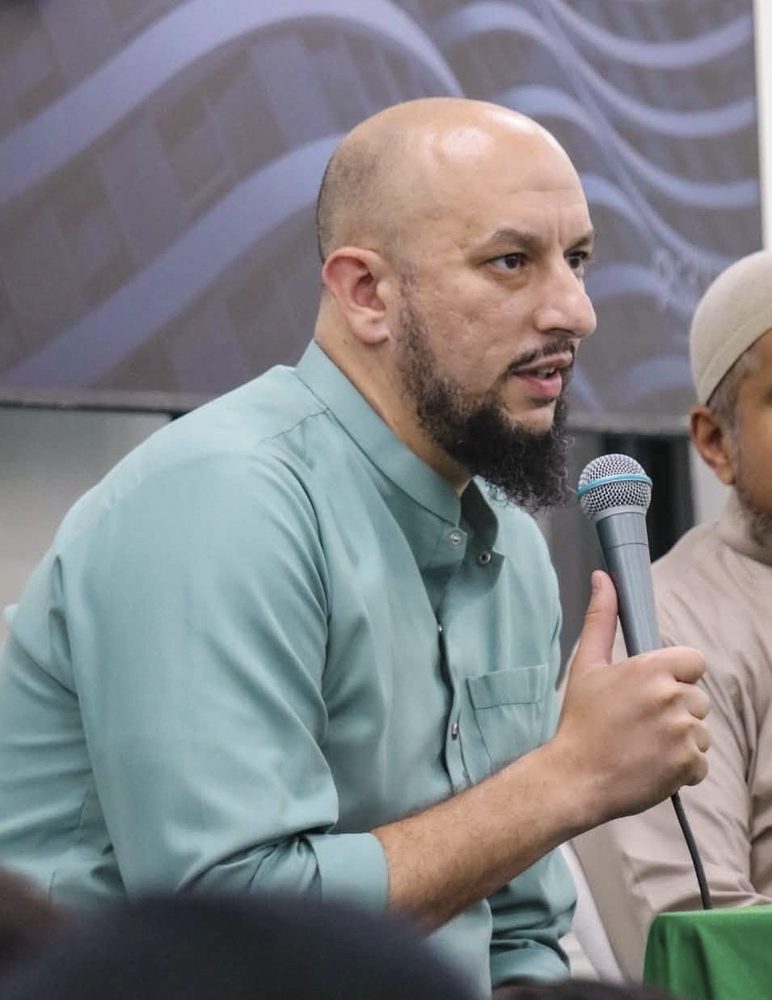
Hasan Hammad, the 19th president of the Islamic Society of Baltimore, comes from a family whose roots reach back to Tulkarem, Palestine. His great-great-grandfather, Hassan Shaker Hammad, was known for his deep commitment to education and public service. Hasan’s own journey began in Baltimore, where Masjid Al-Rahmah played a central role in shaping his childhood, faith, and spiritual growth.
As a young boy, Hasan studied in the masjid’s classrooms, participated in youth programs, formed lasting friendships, and learned responsibility through service. The institution that helped raise him would one day entrust him with its leadership. His journey reflects the Qur’anic teaching that righteousness is more than words or outward appearances. It is demonstrated through sincere faith, generosity, patience, responsibility, and compassionate care for others.
Hasan worked to make the masjid feel like a welcoming home. He believed its doors should remain open to the child searching for friendship, the young adult wrestling with identity, the struggling family seeking support, the newcomer longing for companionship, and the senior hoping to be remembered with dignity and affection.
He understood that young people needed more than lectures; they needed encouragement, trust, and a place to belong. A warm greeting, remembering a young person’s name, listening patiently to a new idea, celebrating a student’s achievement, or inviting a teenager to help with a community project could leave a lasting impression. Hasan wanted the youth to know that the masjid was not merely a place they visited; it was their spiritual home, and they were essential to its future.
He carried the same tenderness toward seniors. A respectful handshake, an unhurried conversation after prayer, offering a comfortable seat, checking on someone facing illness, or simply listening to an elder’s memories were small gestures with great meaning. Hasan recognized that seniors carried the community’s history, wisdom, prayers, and sacrifices. Honoring them strengthened the bridge between generations.
His leadership combined the organizational discipline of a corporate professional with the warmth of someone raised within the community he served. He organized, advocated, built partnerships, and guided the masjid with a vision rooted in faith, inclusion, unity, and service.
Hasan often spoke of building a “Prophetic Community”—one measured not only by crowded prayers or impressive buildings, but by the kindness shown in people's moments of need. For him, a strong community was one in which children felt loved, young people felt heard, seniors felt treasured, struggling families felt supported, and Muslims of different backgrounds stood together as brothers and sisters in faith.
This vision is beautifully aligned with the Qur’anic command:
“Worship Allah and associate nothing with Him, and be good to parents, relatives, orphans, the needy, near and distant neighbors, close companions, travelers, and those under your care. Surely Allah does not like whoever is arrogant, boastful.” Surah An-Nisa, 4:36
Hasan Hammad’s journey—from a child in the classrooms of Masjid Al-Rahmah to a leader entrusted with its future—reflects a sincere commitment to serving Allah by caring for His creation. His story reminds us that communities are strengthened not only through grand accomplishments, but also through gentle words, open hearts, respectful gestures, and the loving bonds that connect one generation to the next.