
Shared Prescription
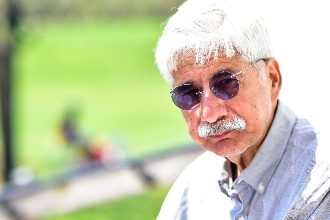
For Dr. Khurram Hanif and Dr. Naseem Khan, medicine was never simply a profession. It was an Amanah—a sacred trust—and every patient was a human life deserving compassion, dignity, and care. Together, they built a legacy that reached beyond hospitals and examination rooms into the homes, hearts, and struggles of the Baltimore and Howard County communities.
Dr. Khurram Hanif graduated from King Edward Medical College in Lahore and completed extensive postgraduate training in the United States. He established himself as a respected physician in internal medicine and gastroenterology, serving patients in Columbia, Ellicott City, and the greater Baltimore region for approximately four decades.
His service was rarely loud or self-promoting. It was expressed through discipline, dependability, and the quiet reassurance of a physician who understood that people often arrived carrying more than physical pain. They brought fear, uncertainty, and the hope that someone would listen. Dr. Hanif responded with professional excellence and steady compassion.
Beyond his practice, he supported Baltimore-area healthcare institutions and remained connected with Pakistani American medical organizations, including APPNA and KEMCAANA. Through these associations, he helped strengthen professional relationships, advance medical education, and preserve bonds among immigrant physicians, their homelands, and the generations growing up in America.
Beside him stood Dr. Naseem Khan, a pediatrician whose heart was naturally drawn toward children, women, immigrants, and seniors. A graduate of Liaquat Medical College in Pakistan, she settled in Howard County in 1979 and devoted more than five decades to medicine. She cared for children during their most vulnerable years, comforted anxious parents, and brought the tenderness of pediatrics to every aspect of her community service.
Yet some of her most powerful work took place outside the examination room.
In 2002, Dr. Khan organized a community health fair that brought approximately two dozen Muslim physicians together to offer mammograms, blood testing, and medical guidance to uninsured and low-income residents. What began as an act of outreach became an annual expression of mercy. The program reached immigrants and seniors who often faced financial hardship, language barriers, cultural hesitation, or uncertainty about navigating the American healthcare system.
Dr. Khan did not merely tell people to seek preventive care—she spoke from personal experience. As a breast-cancer survivor whose life had been protected through early detection, she understood the fear that could prevent a woman from scheduling an examination. She recognized the silence surrounding illness in many immigrant households and the cultural sensitivities that sometimes kept women from asking for help.
She transformed her own struggle into strength for others.
With the compassion of a physician and the understanding of a fellow survivor, she urged women not to ignore their health. Her message was loving but urgent: caring for oneself was not selfish; early detection could preserve a life, protect a family, and spare loved ones from immeasurable pain.
Her service also reached families facing hunger. In 2003, Dr. Khan participated in a Muslim-led regional food drive that collected approximately 22,000 pounds of food and supplies for local pantries. At a time when Muslim Americans faced suspicion and misunderstanding following the tragedy of September 11, she believed that the most meaningful response was not isolation, but service.
She helped demonstrate that Muslims were not strangers standing outside American society. They were physicians, parents, neighbors, volunteers, and citizens who shared the responsibility of caring for the vulnerable. Through action, she showed that faith could answer suspicion with kindness and hardship with generosity.
Dr. Hanif and Dr. Khan also worked together to strengthen professional and humanitarian connections across generations. In 2010, Dr. Khan served as co-chair of KEMCAANA’s Baltimore retreat host committee, while Dr. Hanif served as a committee member. The gathering brought physicians together for medical education, strategic planning, mentorship, and discussions about supporting students and improving healthcare institutions in Pakistan.
Their generosity also extended to LifeBridge Health, where their charitable contributions supported hospital programs and patient care in the Baltimore region. Whether serving through medicine, professional organizations, charitable giving, or community outreach, they understood that knowledge becomes most meaningful when it is placed in the service of others.
Dr. Khan carried this concern into a new and deeply needed undertaking: Noor Pavilion, a proposed culturally sensitive, age-restricted housing community in Howard County. The vision reflected her particular concern for seniors—especially women who long for safety, companionship, independence, and an environment that respects their faith, food, culture, and dignity.
It was a natural continuation of a life spent caring for people at every stage: welcoming children at the beginning of life, protecting women through preventive education, and honoring seniors as they entered their later years.
Their Muslim community service centered principally in Howard County and around the Howard County Muslim Foundation and Dar Al-Taqwa, while contributing to the broader Baltimore-area tradition of Muslim faith, professional excellence, civic responsibility, and service to humanity.
Dr. Khurram Hanif and Dr. Naseem Khan built their legacy side by side. His strength was reflected in quiet professional devotion; hers shone through passionate public outreach. Together, they shared the conviction that education brings responsibility, success demands gratitude, and faith must be demonstrated through service.
Their lives remind us that the finest physicians do more than diagnosing illness or prescribe medicine. They recognize the fears people cannot express, the burdens families carry in silence, and the dignity every human being deserves.
They see humanity before them—and answer it with mercy.
“Whoever saves one life—it is as if he had saved all of humanity.” Qur’an 5:32