Thread in Maryland’s Fabric
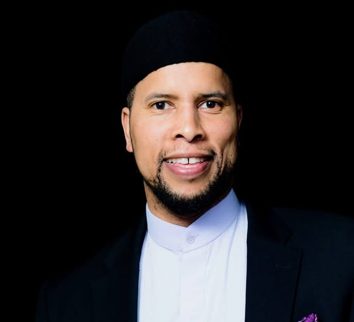
Some lives are like threads—quiet, nearly invisible, yet essential in stitching together the fabric of a community. Joshua Salaam is one of those threads. His journey winds through youth movements, civil-rights corridors, military service, Baltimore’s neighborhoods, global humanitarian stages, and the healing rooms of university chaplaincy. Through it all, he remains the same: humble, steady, and deeply rooted in the belief that serving humanity is an act of worship.
When Joshua joined the Council on American-Islamic Relations (CAIR) in Maryland, he became a lifeline for families facing discrimination and uncertainty. He listened to frightened parents in Baltimore County, guided students in Prince George’s County, and stood beside workers fighting for their right to pray. His work was not about applause—it was about presence. He understood that sometimes justice begins simply by standing with someone who feels alone.
Baltimore: Building Community from the Ground Up
Between 2004 and 2007, Joshua’s service took on a tangible form in Baltimore’s neighborhoods. Along Liberty Heights Avenue and Gwynn Oak, he worked shoulder-to-shoulder with Muslim families, African American residents, and new immigrants to restore dignity to neglected homes and streets. He painted walls, cleared debris, and negotiated with city officials—not as an outsider, but as a neighbor. His youthful energy and kindhearted leadership reminded communities that renewal was possible, that resilience was their shared inheritance.
Joshua’s Maryland years were also marked by interfaith outreach. He built bridges between Muslim communities and churches, schools, and civic organizations, showing that faith could be a source of unity rather than division. His advocacy was paired with education—empowering youth to see Islam not as a burden but as a source of courage. Whether through workshops, conferences, or music, he gave young Muslims the tools to stand tall in their identity.
With Native Deen, Joshua’s voice became a cultural force. Maryland families gathered at Eid concerts, youth programs, and conferences where his lyrics carried messages of belonging and hope. Parents often said, “Native Deen raised our children.” Through rhythm and prayer, Joshua reminded young Muslims that their faith was beautiful, their struggle mattered, and their voices deserved to be heard.
Later, as Muslim Chaplain at Duke University, Joshua carried Maryland’s lessons into a new arena. His chaplaincy was not about sermons alone—it was about listening, comforting, and guiding students of all backgrounds. His Maryland roots—community service, interfaith dialogue, and grassroots compassion—shaped every encounter.
“And do good; indeed, Allah loves the doers of good.” (Surah Al-Baqarah 2:195)
His story is a testament that goodness is not always loud. It is found in the quiet endurance of service, in the rebuilding of homes, in the advocacy for rights, in the music that uplifts, and in the chaplaincy that heals hearts.
Today, Joshua Salaam stands as a multidimensional leader:
- A civil-rights defender who answered Maryland families’ calls.
- A community developer who restored dignity in Baltimore.
- A musician who gave American Muslim youth their own voice.
- A chaplain who heals with compassion.
His legacy lives gently in the lives he touched—families, neighborhoods, students, and generations of youth. In Maryland and beyond, he remains a thread that strengthens the fabric of community, embodying a love for humanity that never stops moving, never stops giving, and never stops believing in the power of a single voice to change the world.