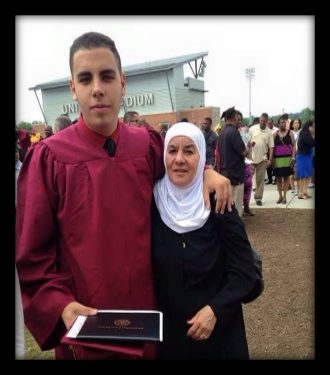
Humble tribute to the noble soul
In the whispered hours before dawn, when the city lay wrapped in slumber, Sister Zahra El-Badloui would arrive at Masjid Al-Rahmah. She moved through its gates with the quiet grace of someone who understood that the most sacred work happens in silence, unseen by the world but witnessed by the One who matters most.
This was the 1980s, and the masjid was humble—more hope than grandeur, more prayers than polish. But in Zahra's hands, those simple bricks became a sanctuary. She didn't just clean its floors; she consecrated them. She didn't just guard its doors; she opened her heart as wide as its welcome.
The community knew her simply as "Sister Zahra," but she was so much more. Her laughter would float from the women's prayer hall like incense, filling the space with warmth. Children would sprint through the courtyard, drawn by the intoxicating aroma of her Moroccan cookies—those treasures she packed with love into modest tin boxes, never to be sold, only shared.
Generosity flowed from her like water from an eternal spring. Though she earned no salary, her wealth was measured in different currency: the tears she dried, the hunger she satisfied, the doors she opened to anyone who knocked. She gave not from abundance, but from the infinite well of a heart that knew no scarcity.
Beside her stood Abdul Wali Muhammad, her husband—a man equally devoted to the unseen service. By day he drove buses, by night he stood guard, and always he supported the quiet battles that kept their sacred space alive. Together, they poured their lives into deeds that few would remember, but that Allah would never forget.
Then came that profound evening on May 3, 2015, fragrant with mystery and peace. From distant away, she called her daughter with words that carried the weight of finality: "Come home." She left her door unlocked—no dramatics, no elaborate farewells, just the quiet preparation of a soul ready to return to its Creator.
Her daughter found her wrapped in serenity, her face bearing the faintest smile of someone who had glimpsed something beautiful just before departing. The room itself seemed to exhale peace, like the air that settles after the final prayer of the day.
The masjid mourned—not in wailing, but in the profound silence of sacred spaces when their guardians depart. Children searched for hands that would no longer offer cookies. The kitchen fell quiet where warmth once radiated from every corner.
Yet something remarkable remained. Her presence had soaked into the very foundation of Masjid Al-Rahmah. Every surface she had polished with devotion still gleamed with her care. Every child she had fed carried her kindness forward into the world. Every corner of that holy space continued to whisper her name in the language of gratitude.
Sister Zahra El-Badloui possessed no earthly wealth, claimed no worldly fame. But her legacy lives woven into the prayer rugs, breathed into the du'ās of countless souls who benefited from her presence, whether they knew her name or not.
She didn't simply maintain a masjid—she became its beating heart, its living soul, its embodiment of mercy. In tending to that sacred space, she planted seeds of compassion that continue to bloom long after her return to the Beloved.
In the end, perhaps this is the truest mark of a life well-lived: not in monuments erected or accolades received, but in the quiet transformation of ordinary spaces into sanctuaries of love, and in the gentle cultivation of hearts that continue to give long after the gardener has gone home.