
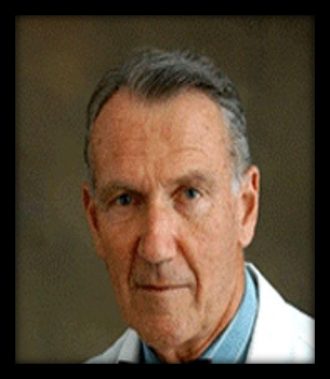
Life Rooted in Service, Guided by Faith
When Dr. William “Buck” Greenough and his wife, Quaneta, first arrived in Baltimore in 1967, they searched for fellow Muslims to join in Jumma prayers. What they found was a small circle—about seven souls, led by Dr. Awad and his family—gathered each Friday in the basement of Reed Hall across from the Hopkins Dome. Those humble beginnings, stitched together with prayer, later blossomed into lifelong connections, celebrations, and a community that grew in strength and purpose.
Dr. Greenough’s professional life was no less profound. At Johns Hopkins, where he became Professor Emeritus, he turned science into mercy. His pioneering work on cholera and oral rehydration therapy saved millions, especially in Bangladesh, where he spent years ensuring the poorest patient would always be the first to benefit. He co-founded the Child Health Foundation, stood with Bangladesh during its struggle for liberation, and trained generations of doctors to see dignity first—then disease.
Yet, what defined him most was vision. He knew institutions must endure beyond one lifetime. Inspired by the models of New England’s universities, he championed endowments for Muslim educational programs. His push for the Al-Rahmah School Educational Trust (ASET) reflected that conviction: a belief that schools should be sustained by permanent support, immune to the tides of fluctuating funding. For him, investing in the Islamic Society of Baltimore (ISB) was not charity—it was planting a tree under whose shade children would learn for generations.
Those who knew him will say his medicine was always more than prescriptions; it was love translated into action. He bridged cultures through his marriage, raised his family in an atmosphere of justice and compassion, and gave generously of his time, knowledge, and wealth to causes that lifted the vulnerable.
Dr. Greenough’s life was a testament to one simple creed: go where suffering lives, stand beside the underserved, and build institutions that keep serving long after you are gone. In doing so, he left behind not just a medical legacy, but a living trust in humanity’s future—one rooted in faith, knowledge, and enduring community.
His vision was not only to heal, but to plant seeds—so that long after him, children would learn, communities would thrive, and mercy would endure.