Quiet Leadership
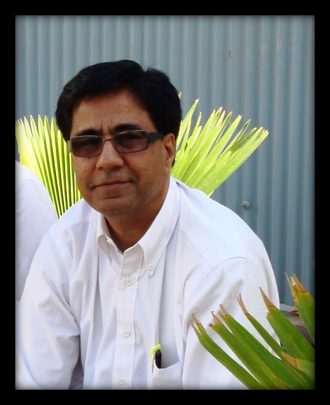
Within the Maryland Muslim community, the name Akbar Ansari is spoken with both admiration and respect. He is a graduate in Manufacturing Systems Engineering from Clarkson University in New York and stands as a man whose vision and steadfast dedication brought faith and public service together. While developing his professional career at Procter & Gamble, Akbar balanced his work responsibilities with a deep commitment to advancing Islamic institutions and promoting civic engagement throughout the greater Baltimore area.
Akbar played a pivotal role from the very beginning of the Islamic Society of Baltimore (ISB), looking beyond the mere creation of a place of worship. He envisioned a vibrant center for learning, compassion, and unity. By combining the discipline of an engineer with the compassion of a servant-leader, he brought organization and structure to volunteer initiatives, enabling ISB to become a model of community-focused leadership. His influence also reached the Islamic Society of Northern Baltimore (ISNB), where he championed outreach and interfaith dialogue, firmly believing that building understanding across differences was not only possible but essential.
As the Muslim population in Baltimore County grew, Akbar recognized the significance of civic representation. In response, he helped establish the Baltimore County Muslim Council (BCMC). Under his guidance, the BCMC evolved into a platform for civic empowerment, organizing voter registration drives, coordinating blood donations and free health screenings, hosting forums with public officials, and fostering partnerships across faith and cultural divides. Akbar’s leadership was never about seeking the spotlight; it was always about generating meaningful impact and empowering others to lead, speak, and serve with dignity.
Akbar’s legacy extends beyond institutions, carried forward by his family. His son, Dr. Mohammad Jamal Uddin Ansari, now a specialist in endocrinology, diabetes, and thyroid care in Houston, Texas, continues the tradition of healing and service. The Ansari name has become a symbol of integrity, compassion, and unwavering commitment to the greater good—always responding where help was needed, always motivated by the desire to please Allah.
For Akbar, civic engagement represented a sacred responsibility. He often reflected on the Qur’anic verse:
“And cooperate in righteousness and piety.” Surah Al-Ma’idah (5:2)
This verse was not simply a reminder, but a guiding principle—a roadmap for action. Akbar embodied it in every interfaith handshake, every community gathering, and every act of mentorship. He understood that leadership was about uplifting others, unity required genuine listening, and that service was the truest form of worship.
Today, Akbar Ansari remains a guiding light—not for grand declarations, but for his quiet strength. His life demonstrates that genuine leadership is not about attracting attention, but about earning respect through service. He united minds and hearts, built bridges where barriers once existed, and has left a legacy that continues to inspire civic harmony and spiritual purpose.
His journey is immortalized not in ink, but in the prayers of those who remember him as a man who lived for service, led with sincerity, and left behind a light that continues to guide others towards goodness.
“Indeed, those who believe and do righteous deeds — the Most Merciful will appoint for them affection.” Surah Maryam (19:96)