The Bridge Builder of Baltimore
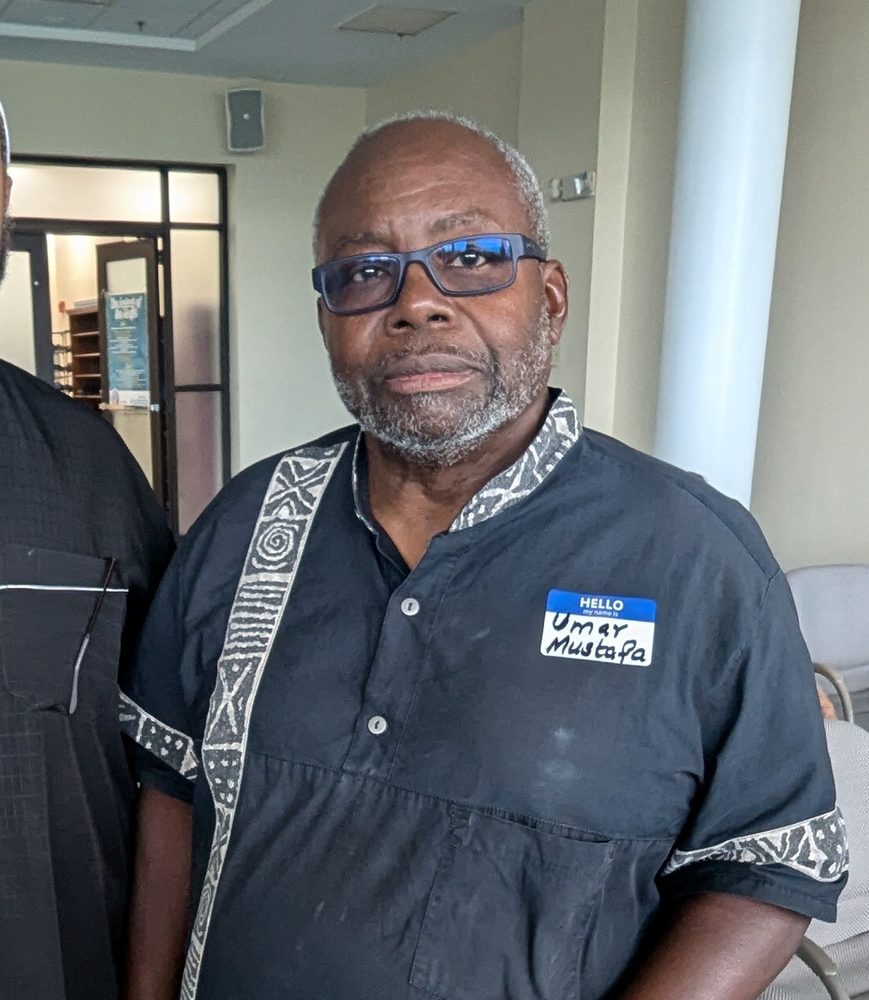
In the heart of Baltimore County, where diverse communities hummed with the rhythm of life, there lived a man whose legacy would outlive his own strength: Umar Mustafa, born James Thomas, a Jamaican native whose journey to Islam sparked a lifelong devotion to service, unity, and upliftment.
Since the 1980s, Brother Umar had worked not only as a seasoned administrator but as a quiet force guiding countless young Muslims toward brighter futures. From job placements to trade certifications, from college applications to business registrations, his office became a haven for those seeking direction. He believed every Muslim youth was a seed of potential waiting for the right soil and sunlight—education, opportunity, and a community that cared.
But Umar Mustafa’s vision reached further. He often spoke passionately about the importance of Muslim self-determination—of owning businesses, holding office, and building a district where Islamic values harmonized with civic engagement. "We need local representation not just to be seen, but to shape the future," he’d say, his eyes alight with hope.
Then came the harrowing days after 9/11. The air was thick with fear, suspicion, and pain. As president of the Islamic Society of Baltimore, Umar stood firmly on the foundation of his faith. Rather than retreating, he opened the Masjid doors even wider. Under his leadership, ISB hosted its first Open House, welcoming neighbors of all backgrounds. He believed that ignorance was best dispelled with hospitality, and fear calmed by familiarity.
His voice—calm, articulate, unapologetically Muslim—echoed in community halls, media interviews, and meetings with elected officials. He reminded people that Islam was not to be feared, but understood; that Muslims, too, grieved for the world, and longed for peace.
That same leadership secured grants to expand ISB’s campus and roll out programs in mental health, job training, and interfaith outreach. These were not mere achievements, they were investments in a future he might never see, but fervently believed in.
Now in his later years, weakened by strokes and illness, his body may be frail—but his impact roars through the halls of every youth mentorship circle, every business incubator named in his honor, every policy meeting where a Muslim voice is finally at the table.
His dua remains: “O Allah, use me to serve, not just survive. Let my legacy be light for those who walk after me.”
May Allah grant Brother Umar complete shifa, reward him for every soul he uplifted, and make his work sadaqah jariyah until the end of time.