The Heart of Service
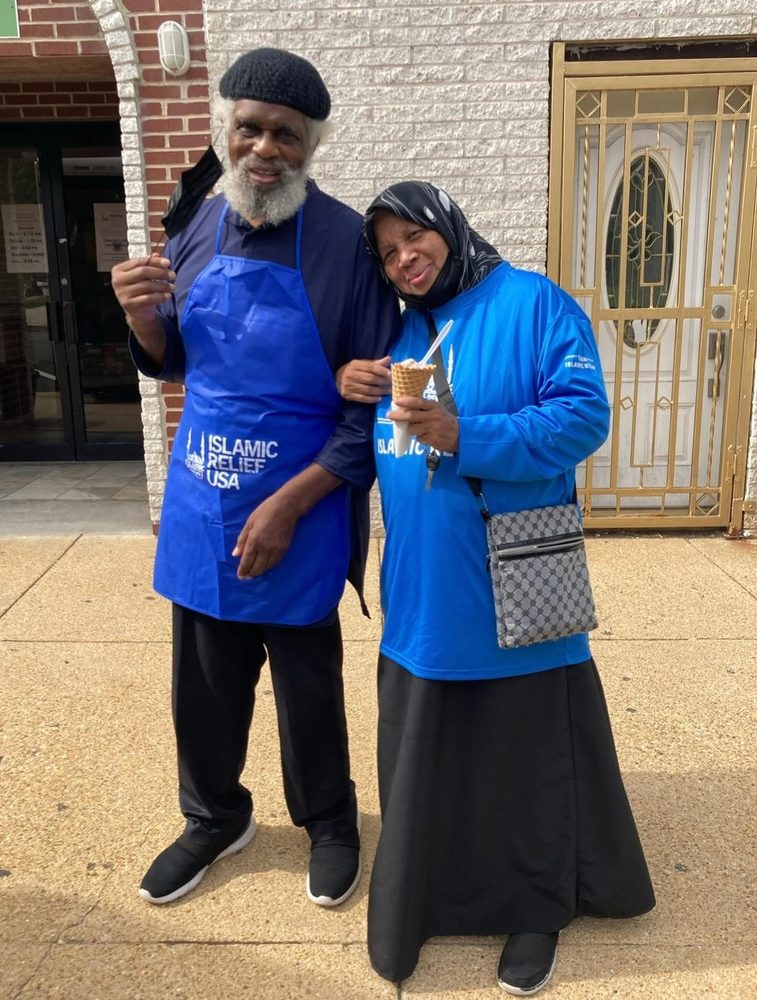
The morning call to prayer echoed softly through the community center as Imam Hassan Amin carefully arranged boxes of canned goods alongside his wife, Sister Zakia Amin. At seventy-two, his movements were more deliberate now, especially after his battle with COVID-19 the previous December, but his commitment to serving others remained unwavering.
"Subhan Allah," he murmured, watching volunteers from various faiths and backgrounds work side by side, preparing for another food distribution. "Look how Allah brings hearts together in service."
Sister Zakia smiled, her hijab pristine despite hours of organizing donations. After twenty years with the Muslim Social Services Agency, she had seen countless mornings like this, but each one still filled her with purpose. As principal of the oldest continuously operating Islamic school in the United States, she understood the power of community investment.
"Remember when we started focusing on our seniors after 2015?" she asked, nodding toward Mrs. Johnson, an elderly African American woman who had become like family to them. "She was so hesitant to accept help at first."
Imam Hassan chuckled softly. The Baltimore uprising had been a turning point for MSSA. While others debated politics, he and Zakia had simply asked: who needs us most? The answer had been clear – the senior citizens, often forgotten and vulnerable.
A young volunteer approached, carrying subway gift cards donated through their collaboration with Islamic Relief USA. "Imam, the Lady Knights from Baltimore City College sent their thanks again."
"Alhamdulillah," Imam Hassan replied. "Service knows no boundaries, my dear. Whether we work with ICNA Relief, Mercy USA, or our friends at the Islamic Society of Baltimore, we're all part of one body."
He paused, remembering the hadith from Bukhari and Muslim that had guided his life's work:
"The believers in their mutual kindness, compassion, and sympathy are just one body. If a limb suffers, the whole body responds to it with wakefulness and fever."
As the day progressed, the community center buzzed with activity. Mobile medical clinics checked blood pressure for elderly residents. ESL classes continued online for recent immigrants. Hygiene kits and school supplies were distributed to families in need. Each service reflected years of understanding what their Baltimore community truly needed.
"Imam," called Marcus, a volunteer who wasn't Muslim but had been coming for three years, "the hot meals are ready for distribution."
"Thank you, brother," Imam Hassan replied, the word 'brother' carrying the weight of genuine affection. This was what MSSA had always been about – serving everyone, Muslim and non-Muslim alike, because need recognized no religious boundaries.
As evening approached and the last beneficiary left with bags of groceries, Sister Zakia found her husband sitting quietly, a bit tired but content. Despite his health challenges requiring more rest at home these days, his spirit for the work remained strong.
"Fifty years," she said, settling beside him.
"What's that, Habibi?"
"Fifty years we've been married. Fifty years of serving together."
Imam Hassan took her hand, weathered from decades of packing food boxes and organizing relief efforts. "And look at what Allah has allowed us to build."
Through the window, they could see their legacy – not in buildings or awards, but in the transformed community around them. Students walked safely to school with supplies MSSA had provided. Seniors are no longer isolated, connected through their programs. Families fed during times of crisis. Local businesses supported through conscious purchasing decisions.
"The work continues," Sister Zakia said, thinking of the younger volunteers who would carry MSSA forward.
"In sha Allah," Imam Hassan agreed. "As long as there are those in need, there will be those called to serve."
As they locked up for the evening, neither spoke of the challenges ahead – the funding needs, the growing demand for services, the physical limitations that came with age. Instead, they drove home through the Baltimore streets they had served for decades, offering a quiet prayer of gratitude for being chosen as instruments of mercy in their community.
The next morning would bring new needs, new opportunities to serve, and new reminders that true leadership happens not from podiums, but from food pantries, mobile clinics, and anywhere human dignity is upheld through simple acts of love.
In the heart of Baltimore, MSSA's work continued – a testament to the truth that service to humanity is indeed service to Allah.