Story of Service & Leadership
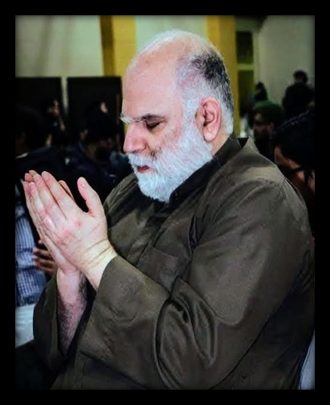
In the heart of Maryland’s bustling Baltimore–Washington corridor, where diverse communities converge and civic life pulses with energy, Ibrahim Amin Abusway walks with quiet purpose. His presence is not marked by fanfare, but by the steady rhythm of service—an unwavering commitment to uplift institutions and individuals alike.
Raised in a family steeped in Islamic ethics and responsibility, Br. Ibrahim carries forward values of integrity, humility, and Amanah (trust). These principles are not abstract ideals for him; they are living guides that shape every interaction, every initiative, and every word spoken at the podium. Whether addressing a masjid congregation, guiding a nonprofit through donor relations, or standing alongside advocates in civil-rights circles, Ibrahim embodies leadership rooted in faith and responsibility.
His journey began at American University in Washington, DC, where he honed the skills of communication and outreach. But his true education came in the community spaces of Maryland—fundraising dinners where hope was stitched into every pledge, relief programs where compassion met urgent need, and khutbahs where he reminded listeners of their duty to charity and justice. Br. Ibrahim’s work became the connective tissue binding Masajid, nonprofits, and civic organizations into a stronger, more resilient ecosystem.
One of Br. Ibrahim’s most impactful contributions has been his mentorship of young volunteers. He recognizes that the future of community service depends on equipping the next generation with both tools and mindset.
On a brisk Saturday morning in Baltimore, a group of high school and college students gather in a masjid’s multipurpose hall. Clipboards in hand, they look both eager and uncertain. Br. Ibrahim steps forward, his voice steady yet warm. He begins not with instructions, but with a reminder: “Service is Amanah. Every flyer you hand out, every donation you collect, every smile you share—it is a trust between you and Allah, and between you and your community.”
He then guides them through practical training, how to organize a food drive, how to approach donors with sincerity, how to speak confidently about the mission of relief work. He pairs lessons in logistics with lessons in character, weaving Qur’anic reflections into strategies for outreach. By the end of the session, the young volunteers are not just equipped with skills; they are infused with purpose. They leave with the conviction that their small acts of service are part of a larger, sacred effort to uplift humanity.
Energetic yet respectful, Br. Ibrahim’s leadership is not about commanding attention but about inspiring trust. He has raised funds to combat food insecurity, supported refugees in their search for stability, and mobilized relief for families facing hardship. His voice carries the weight of sincerity, reminding audiences of the Qur’anic call:
“And cooperate in righteousness and piety, but do not cooperate in sin and aggression.” (Qur’an 5:2)
This verse is more than a reflection for Br. Ibrahim—it is a mission statement. It guides his outreach, his advocacy, and his vision for a Maryland Muslim community that thrives through cooperation and service.
In every forum, Ibrahim Amin Abusway demonstrates that true leadership is not about titles or recognition. It is about building bridges, amplifying voices, and ensuring that no neighbor is left behind. His story is one of high caliber professionalism, but more importantly, of faith in action—an aspirational reminder that service, when rooted in values, becomes the most powerful form of leadership.